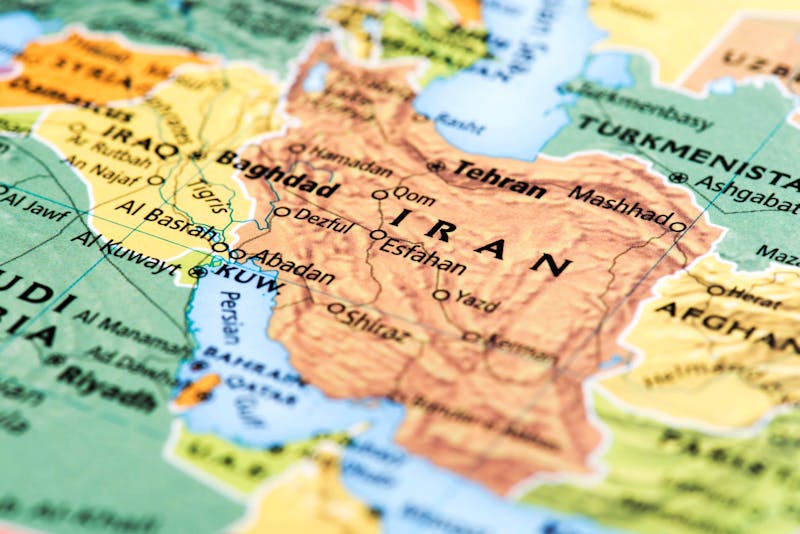
Civilian contractors play a critical role in supporting U.S. operations throughout the Middle East. When regional conflict escalates, those contractors often face increased danger, uncertainty, and questions about what protections may be available if they are injured, evacuated, detained, or killed.
This is especially true when tensions involving Iran result in missile strikes, drone attacks, base security incidents, emergency relocations, and other disruptions to day-to-day operations. If you or a family member is a civilian contractor working in the region, understanding your rights early can make a meaningful difference.
Why This Matters for Civilian Contractors
Civilian contractors often work in environments where the line between routine overseas support and active danger can change quickly. Even if a contractor is not in a front-line combat role, regional instability may still affect housing, transportation, base access, medical care, staffing, personal safety, and wellness.
For contractors supporting U.S. missions in the Middle East, a wider conflict involving Iran may increase the risk of:
-
Hostile attacks on bases or nearby facilities,
-
Convoy or transportation incidents,
-
Physical injuries
-
Emergency evacuation or relocation,
-
Interruptions in medical treatment,
-
Detention or kidnapping concerns, and
-
Psychological injuries tied to traumatic events.
The Defense Base Act May Be One of the Most Important Protections
One of the main legal protections for many overseas civilian contractors is the Defense Base Act, 42 U.S.C. §§ 1651-54. The Defense Base Act extends workers' compensation protections to many employees working outside the United States on U.S. military bases or under certain U.S. government contracts.
In general, the Defense Base Act incorporates the compensation structure of the Longshore and Harbor Workers' Compensation Act, which is the underlying federal workers' compensation framework for these claims. That means eligible workers may have rights to medical treatment, disability benefits, and death benefits depending on the facts.
What Types of Claims May Arise if Conflict Escalates?
If conflict involving Iran intensifies, contractors may face several kinds of claims or legal issues.
Physical Injury Claims
A contractor may suffer burns, blast injuries, orthopedic injuries, traumatic brain injuries, or other harm caused by attacks, emergency responses, transportation incidents, or unsafe conditions created by rapid military or contractor movement.
Psychological Injury Claims
Some contractors may experience serious psychological effects after missile alerts, drone strikes, mass casualty events, or other traumatic incidents. Depending on the facts and medical evidence, psychological injuries such as Post-Traumatic Stress Disorder (PTSD) may become part of a Defense Base Act claim.
Death Benefits for Surviving Family Members
If a contractor is killed while performing covered work, surviving family members may have rights to death benefits under the applicable compensation framework.
The War Hazards Compensation Act May Also Matter
In some cases, the War Hazards Compensation Act, 42 U.S.C. § 1701, may also become relevant when an injury or death proximately results from a war-risk hazard. While this statute often operates in the background and can involve reimbursement and compensation issues tied to war-related events, it is part of the broader legal framework that can affect contractors and insurers in conflict-zone cases.
For injured workers and families, the key point is that a war-related incident may trigger more than one layer of legal and insurance analysis. That is one reason these cases can become complicated quickly.
What Problems Tend to Come Up After a Major Regional Escalation?
When conflict expands, contractors and their families often run into practical problems long before the legal issues are sorted out. Common problems may include:
-
Confusion about whether an injury is covered,
-
Delays in medical authorization,
-
Pressure to return to work too early,
-
Disputes over average weekly wage calculations,
-
Questions about whether a worker remains covered after relocation, and
-
Communication breakdowns between employers, carriers, and medical providers.
These issues can be even harder to manage when the injury happened overseas, and records are spread across multiple countries, contractors, or agencies.
What Should Contractors Do if They Are Hurt During a Regional Crisis?
If a civilian contractor is injured while supporting U.S. operations in Iran or the Middle East, a few steps can be especially important:
-
Report the injury as soon as possible,
-
Seek medical attention immediately,
-
Document where the incident happened and what occurred,
-
Keep copies of communications with the employer and carrier,
-
Preserve travel, assignment, contract records, and medical records, if applicable, and
-
Get legal advice early if benefits are delayed or denied.
The same is true for families dealing with a serious injury or death claim. Early action can make it easier to protect rights and avoid preventable delays.
Why These Cases Deserve Early Review
Claims involving overseas contractors are rarely simple. Coverage questions, jurisdictional issues, medical issues, wage calculations, and war-risk facts can all affect the outcome. And when the injury arises out of a fast-moving conflict involving Iran or another regional actor, the factual record can become harder to preserve over time.
Because these cases can create long-term financial and medical consequences, early legal review matters. Civilian contractors and their families may have rights under the Defense Base Act and related federal compensation laws, but those rights are easier to protect when action is taken early.
Final Takeaway
An expanding conflict involving Iran may affect civilian contractors supporting U.S. operations in ways that go far beyond immediate physical danger. It can disrupt medical care, complicate claims, create uncertainty about benefits, and leave families struggling to understand what protections apply.
If you or a loved one has been injured while working for a U.S. contractor in the Middle East, including the peaceful countries surrounding Iran that were attacked, early guidance can make a real difference. Military Justice Attorneys helps civilian contractors and their families evaluate Defense Base Act claims, understand their options, and respond strategically when overseas incidents lead to serious injury or loss.