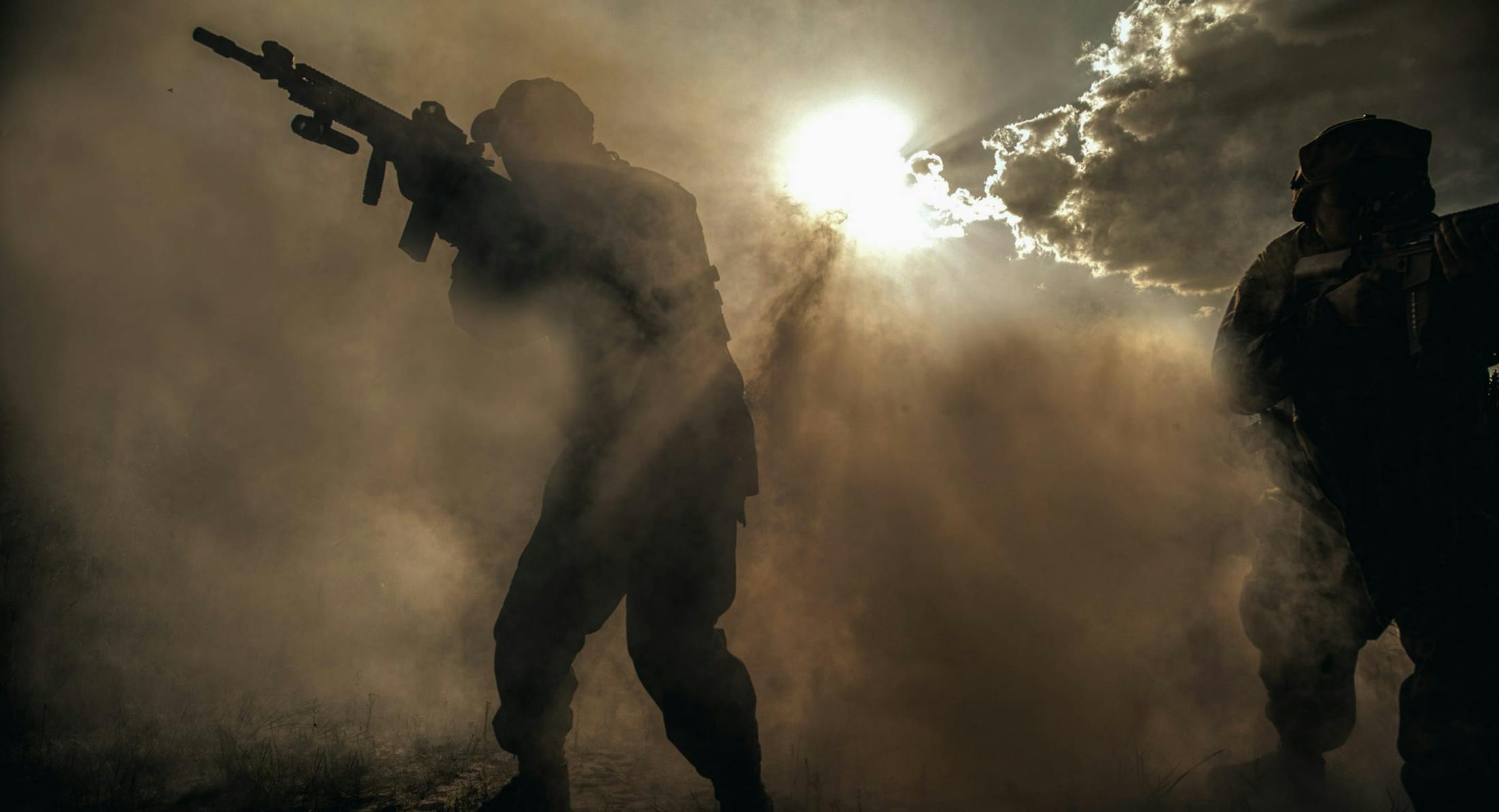
When Investigators Get Involved

Being contacted by military criminal investigators is one of the most stressful moments a service member can face. Many believe cooperation will “clear things up,” not realizing that investigators are building a case, not protecting careers. At Military Justice Attorneys, we represent service members worldwide who are under investigation by military law enforcement agencies.

Our attorneys, many with former military and federal investigative experience, understand how these agencies operate and how early legal intervention can prevent irreversible mistakes. You do not have to face investigators alone, and you should not do so without counsel.


Topography textured background

What Are Military Criminal Investigators?

Each branch of the U.S. military maintains its own criminal investigative organization responsible for investigating alleged violations of the Uniform Code of Military Justice (UCMJ).

These agencies operate with the full authority of the federal government and often work closely with commanders, prosecutors, and civilian law enforcement.

Their role is to collect evidence, interview witnesses and suspects, conduct forensic analysis, and prepare investigative reports for command review. Unlike civilian police, military investigators operate in a command-driven environment where their findings directly influence administrative actions, courts-martial, and career-ending decisions. Investigations may involve alleged felonies, serious misdemeanors, or military-specific offenses.

Once an investigation is complete, the investigative report is forwarded to the Commanding Officer or General, who then decides how the allegations will be resolved, often without the accused having ever testified at trial. Understanding investigators’ authority, limits, and tactics is critical to protecting your rights under Article 31(b) of the UCMJ.
https://www.law.cornell.edu/uscode/text/10/831

Major Military Criminal Investigative Agencies

Naval Criminal Investigative Service (NCIS)

NCIS is a civilian federal law enforcement agency within the Department of the Navy responsible for investigating felony-level crimes involving Navy and Marine Corps personnel. NCIS also conducts counterintelligence, counterterrorism, and cyber investigations worldwide. Agents may be civilian or active-duty personnel and operate in more than 41 countries.
https://www.ncis.navy.mil

United States Marine Corps Criminal Investigation Division (CID)

Marine Corps CID operates within the Provost Marshal’s Office and typically investigates misdemeanor-level offenses and military-specific misconduct. While CID focuses on lower-level crimes than NCIS, its investigations can still lead to courts-martial, administrative separation, or adverse career actions.

Army Criminal Investigation Division (CID)

Army CID is the Army’s premier investigative agency, handling serious felony crimes, war crimes, cybercrime, and counterterrorism. CID maintains nearly 3,000 personnel across more than 120 global locations and frequently conducts complex, multi-agency investigations.
https://www.cid.army.mil

Air Force Office of Special Investigations (OSI)

OSI serves as the Department of the Air Force’s investigative service, reporting directly to the Inspector General. OSI investigates felony crimes, counterintelligence threats, and major misconduct involving Air Force and Space Force personnel.
https://www.osi.af.mil

Topography textured background

The Benefits of Working With a Military Defense Attorney During an Investigation

  • Early Intervention Protection: An experienced defense attorney can stop improper questioning, preserve your Article 31(b) rights, and prevent damaging statements before investigators finalize their report.
  • Strategic Investigator Management: Counsel controls communication with investigators, ensuring interviews, searches, and evidence collection comply with military law.
  • Evidence and Rights Preservation: Defense counsel identifies unlawful investigative tactics and preserves suppression issues before charges are referred.
  • Command Influence Mitigation: Effective representation can shape how investigative findings are presented to command decision-makers.
Banner media

Is a Criminal Investigation Relevant to My Situation?

If you have been contacted by NCIS, CID, OSI, command investigators, or military police, or asked to provide a statement, an investigation is already underway. Even informal “conversations” can later be characterized as admissions. Investigations may begin quietly and escalate quickly, often before counsel is detailed. If allegations involve misconduct, dishonesty, drugs, assault, sexual offenses, or misuse of government property, you should seek legal representation immediately.

The Criminal Investigation Process What to Expect

Step One: Initial Contact

Investigators contact witnesses or suspects, often requesting voluntary statements. How you respond at this stage can determine the trajectory of the entire case.

Step Two: Evidence Collection

Investigators gather physical evidence, digital data, witness statements, and forensic results to support or refute allegations.

Step Three: Investigative Report

A comprehensive report is prepared and submitted to the command, summarizing evidence and recommended findings.

Step Four: Command Disposition

The Commanding Officer or General decides whether to pursue administrative action, NJP, or court-martial.

Topography textured background

Available 24/7 to Help Anyone in the World

Contact us media

After the Investigation What Comes Next

Once the investigation concludes, command may take immediate action based on the report alone. This can include preferral of charges, adverse administrative actions, or separation proceedings. Military Justice Attorneys continues representation through preferral, Article 32 hearings, court-martial, clemency, and record correction to mitigate long-term consequences.

Why Choose Military Justice Attorneys?

Deep Military Justice Experience

Military Justice Attorneys is built by former Judge Advocates and seasoned civilian defense lawyers who have spent decades inside the military justice system. We understand investigations, command dynamics, and prosecutorial strategy because we have operated within those systems ourselves.

Proven Results and Strategic Defense

Our attorneys have successfully defended service members at every stage of the investigative and court-martial process, from early law enforcement inquiries to contested trials and appeals.

Dedicated Support for Service Members

We intentionally limit caseloads to ensure every client receives direct access to experienced counsel. Our team is available early, responsive throughout the process, and committed to guiding service members and families through high-stakes situations with clarity and confidence.

Trusted by service members nationwide, Military Justice Attorneys delivers experienced, disciplined, and results-driven defense when it matters most.

Topography textured background

Criminal Investigators FAQs

Do I have to talk to investigators?

No. If you are suspected of an offense, Article 31(b) of the UCMJ gives you an absolute right to remain silent. You cannot be punished or negatively evaluated for exercising this right, and silence cannot be used against you at trial.

Can investigators search my phone, vehicle, or home?

Investigators may only conduct a search if they have proper command authorization based on probable cause or if you voluntarily give consent. Consent searches are often broad and invasive and can expose evidence unrelated to the original allegation.

Will cooperating with investigators help my case?

In most cases, unrepresented cooperation harms service members. Investigators are trained to gather evidence, not to protect you. Statements intended to “explain” conduct are often used selectively to strengthen the government’s case against you.

Can military investigators lie to me during questioning?

Yes. Military investigators are legally permitted to use deception during interviews, including misrepresenting evidence, witness statements, or the strength of the case. This is why speaking to investigators without counsel is extremely risky.

When should I hire a defense attorney during an investigation?

You should contact an experienced military defense attorney immediately—before making any statements or consenting to searches. Early legal intervention can prevent damaging admissions and help shape how the investigation proceeds from the outset.

Does an investigation mean charges will definitely be filed?

Not always, but investigative reports heavily influence command decisions. Even if charges are not filed, investigations can still lead to adverse administrative actions, career-impacting documentation, or separation proceedings based solely on investigative findings.

Textured background

Protect Yourself Early

Investigators are trained to gather evidence, not to protect you. If you are under investigation or have been contacted by military law enforcement, schedule a confidential consultation with Military Justice Attorneys before answering questions or providing statements.

Contact Us When Your Future Is On The Line

Our decentralized approach to military defense ensures that we can represent service members from any branch of the military, of any rank, at any military base or installation stateside or abroad.

Available 24/7 to Help Anyone in the World

(843) 755-6535
This field is required.
Submit Information
Contact us media
Accessibility: If you are vision-impaired or have some other impairment covered by the Americans with Disabilities Act or a similar law, and you wish to discuss potential accommodations related to using this website, please contact our Accessibility Manager at (843) 755-6535.
Contact Us