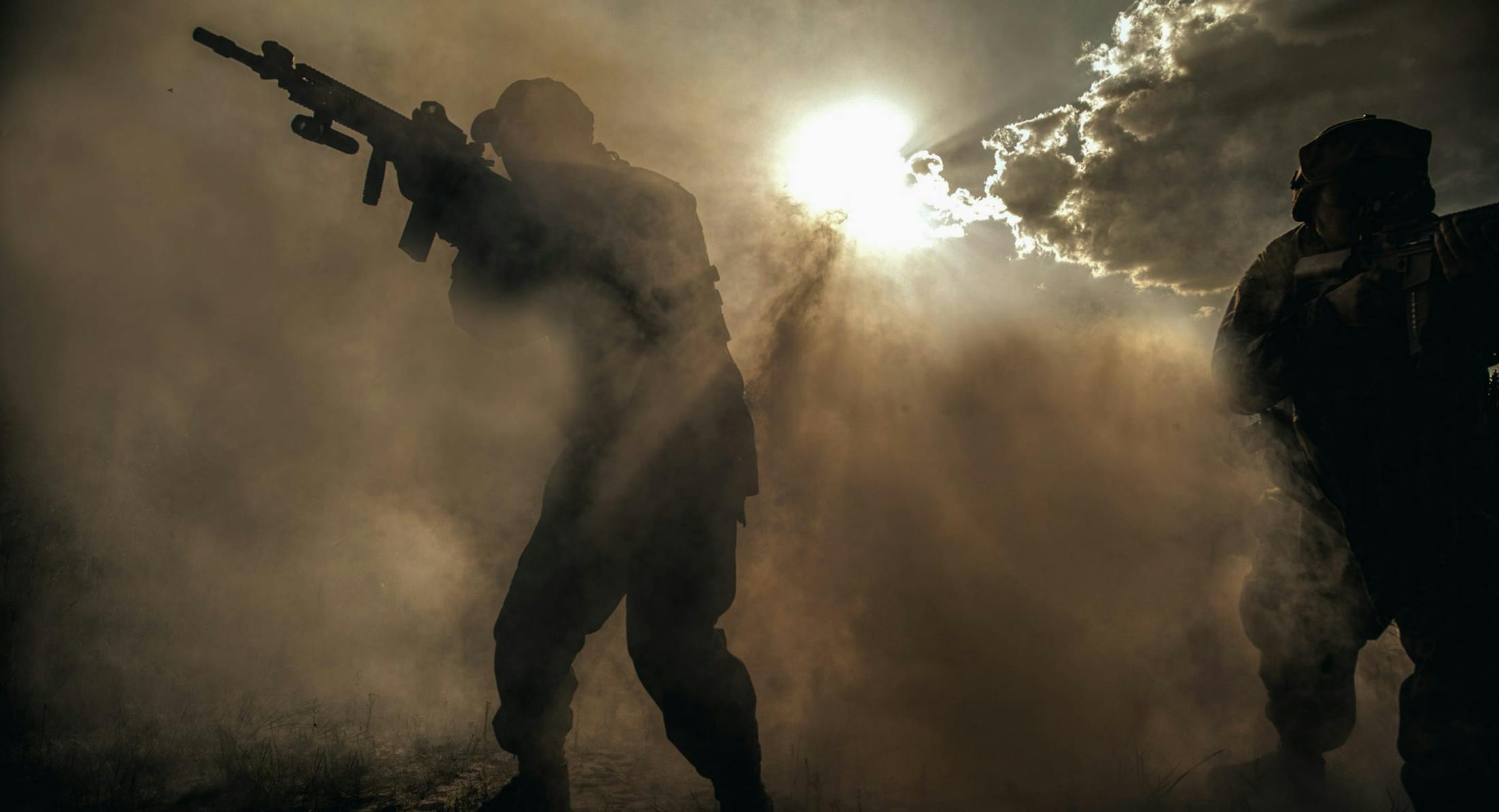
Protecting What Matters Most

Being under investigation by your command or military law enforcement is stressful, confusing, and often isolating. Many service members feel pressured to “just cooperate” without understanding the long-term consequences. At Military Justice Attorneys, we remind every client of one critical truth: your service does not strip you of your constitutional and statutory rights. Our attorneys are former military officers and judge advocates who have spent decades defending service members nationwide and overseas. We help you understand, assert, and protect your rights at every stage, so fear and uncertainty do not dictate irreversible decisions.


Topography textured background

What Are a Service Member’s Legal Rights?

Service members retain fundamental rights under the United States Constitution and additional protections under the Uniform Code of Military Justice (UCMJ). These rights apply whether you are under investigation, facing adverse administrative action, or charged at a court-martial. Key protections include the right against self-incrimination, the right to refuse consent to searches, the right to counsel, and—when applicable—the right to demand trial by court-martial instead of nonjudicial punishment. These rights exist to balance the unique pressures of military life, where rank structure and command authority can otherwise create subtle or overt coercion. Congress specifically enacted Article 31 of the UCMJ to safeguard service members from being compelled to incriminate themselves during disciplinary or law-enforcement questioning.
https://www.law.cornell.edu/uscode/text/10/831

When properly asserted, these rights limit what evidence the government may lawfully use and preserve your ability to mount a meaningful defense.

The Benefits of Working With a Military Defense Attorney to Protect Your Rights

  • Immediate Rights Protection: An experienced military defense attorney ensures that investigators and command respect your rights from the first contact, preventing damaging statements or unlawful searches.
  • Command and Law Enforcement Buffer: Once represented, neither command nor investigators may question you without counsel, significantly reducing pressure and risk during investigations.
  • Strategic Decision-Making: Legal guidance helps you understand when silence, refusal of consent, or escalation to trial protects you best.
  • Preservation of Defense Options: Proper assertion of rights early preserves suppression motions and evidentiary challenges later at court-martial.
Banner media

Is This Relevant to My Situation?

If you have been questioned by command, contacted by investigators, ordered to provide a statement, or asked to consent to a search, your rights are already in play. Even informal conversations with supervisors can trigger protections if you are suspected of misconduct.

Service members often unintentionally waive rights by speaking casually or attempting to “clear things up.” If your rank, liberty, benefits, or discharge characterization could be affected, legal counsel should be consulted immediately, before answering questions or signing documents.

How Your Rights Apply in Practice What to Expect

Step One: Identification as a Suspect

Once you are suspected of an offense, Article 31(b) protections apply, requiring warnings before questioning by those subject to the UCMJ.

Step Two: Assertion of Rights

You may clearly and lawfully invoke your right to remain silent, refuse consent to searches, and request counsel without consequence.

Step Three: Legal Representation

Retaining counsel triggers protections against further questioning and allows strategic engagement with command and investigators.

Step Four: Enforcement and Remedies

If rights are violated, defense counsel may seek suppression of statements or evidence under the Manual for Courts-Martial.
https://jsc.defense.gov/Military-Law/Current-Publications-and-Updates/

Topography textured background

Available 24/7 to Help Anyone in the World

Contact us media

Core Rights Every Service Member Must Understand

Right to Remain Silent

Under Article 31(b), service members have an absolute right against self-incrimination and must be informed of the nature of the accusation before questioning. Silence can never be used against you at trial.

Right to Refuse Consent

You are never required to consent to searches of your phone, vehicle, residence, or person. Without probable cause and proper authorization, searches are unlawful.

Right to Counsel

You have the right to consult with military or civilian counsel before waiving rights or answering questions. Early legal advice shapes outcomes.

Right to Demand Court-Martial

In most cases, service members may refuse Article 15/NJP and demand a trial. This decision carries risk and should never be made without legal counsel.

Topography textured background

After Asserting Your Rights What Comes Next

Exercising your rights may slow an investigation, change command disposition decisions, or limit admissible evidence. In some cases, investigations lose momentum once improper statements are excluded. Even if charges proceed, preserved rights strengthen motions practice, trial defense, and post-trial appeals.

Military Justice Attorneys continue representing clients through court-martial, clemency, and record correction to mitigate long-term career and benefits consequences.

Military aircraft cockpit with star insignia

Why Choose Military Justice Attorneys?

Deep Military Justice Experience

Our attorneys are former military officers and judge advocates who understand command dynamics and investigative tactics from the inside.

Proven Results and Strategic Defense

We have successfully protected service members’ rights in courts-martial, administrative boards, and federal military proceedings worldwide.

Dedicated Support for Service Members

Clients receive direct attorney access, early intervention, and consistent advocacy through every stage of the process.

When your rights are respected, your future remains defensible.

Topography textured background

Your Rights FAQs

Can my command force me to answer questions?

No. If you are suspected of an offense, you may lawfully remain silent under Article 31(b) without punishment.

Should I ever consent to a search?

Consent is rarely in your best interest. Searches often uncover evidence that investigators could not otherwise lawfully obtain.

Does asking for a lawyer make me look guilty?

No. Requesting counsel is a protected right and cannot be used against you at trial.

Do these rights apply overseas?

Yes. Article 31 and constitutional protections apply regardless of duty station.

Can my silence be used against me later?

Never. Exercising your right to remain silent cannot be introduced as evidence of guilt.

When should I contact an attorney?

Immediately—before answering questions, providing statements, or consenting to searches.

Textured background

Protect Your Rights Now

Your silence, your refusal, and your request for counsel are not admissions—they are protections. If you are under investigation or facing command action, schedule a confidential consultation with Military Justice Attorneys to safeguard your rights before decisions are made for you.

Contact Us When Your Future Is On The Line

Our decentralized approach to military defense ensures that we can represent service members from any branch of the military, of any rank, at any military base or installation stateside or abroad.

Available 24/7 to Help Anyone in the World

(843) 755-6535
This field is required.
Submit Information
Contact us media
Accessibility: If you are vision-impaired or have some other impairment covered by the Americans with Disabilities Act or a similar law, and you wish to discuss potential accommodations related to using this website, please contact our Accessibility Manager at (843) 755-6535.
Contact Us